PIVOT / Industrial automation, robotics and IoT
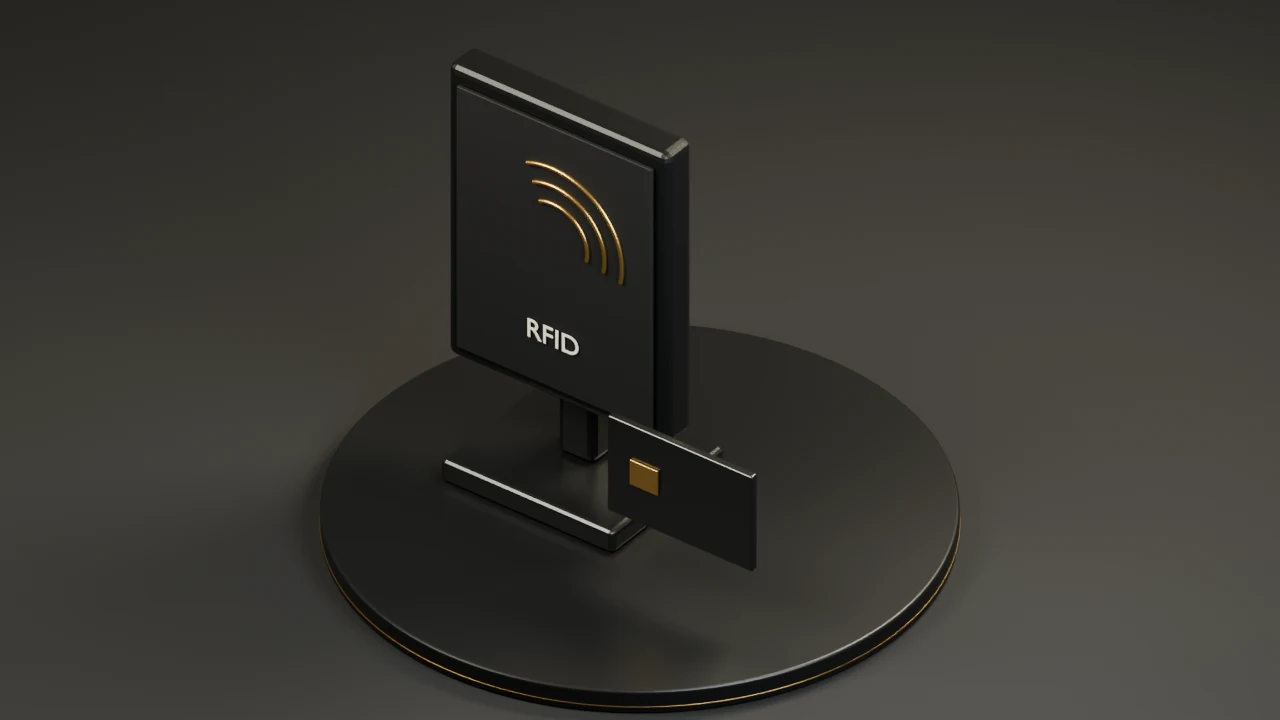
RFID and connected sensors
Readers, antennas and tags connecting objects to business events.
Real companies, real projects
Work that speaks for itself.
 Pivot reference
 Carbonia reference
 Carbonia reference
 Carbonia reference
 Pivot reference
 Carbonia reference
 Pivot reference
 Carbonia reference
 Carbonia reference
 Carbonia reference
 Carbonia reference
 Carbonia reference
Pivot references and projects presented by Carbonia. Each brand is attributed to its team; select a logo to view its source.
PURPOSE BEFORE TECHNOLOGY
Readers, antennas and tags connecting objects to business events.
Connect item, equipment or access identification with your operational rules.
The on-site journey
A grouped reading retrieves expected items and isolates uncertain ones.
For teams and visitors
Inventory, receiving, access and autonomous stores.
The connected tools
Account, correctable basket, inventory, payment and assistance to integrate.
A CONNECTED SOLUTION
The place. The tools.
One connected project.
Equipment to install
- Readers
- Antennas
- Tags
- Test-dependent sensors
Variants of the same model
- Handheld, counter or portal reading
- Tags and mounting suited to items
- Inventory or passage checks subject to scenario
Software and connections
- Account, correctable basket, inventory, payment and assistance to integrate.
PURPOSE BEFORE TECHNOLOGY
See the journey
in context.
Interactive examples with synthetic data. Each project defines its own journey.
Retail store: Explore an autonomous store
Enter with synthetic access, take or return an item and review the receipt.
Explore this journeyRetail store: Track items with RFID
Read a synthetic group of items and review an uncertain reading before confirmation.
Explore this journeyGrocery and convenience store: Track items with RFID
Read a synthetic group of items and review an uncertain reading before confirmation.
Explore this journeyFROM REQUIREMENTS TO COMMISSIONING
A clear scope.
Concrete progress.
Readers, antennas and tags connecting objects to business events. A grouped reading retrieves expected items and isolates uncertain ones.
- 01
Define the site and journey
Inventory, receiving, access and autonomous stores. A grouped reading retrieves expected items and isolates uncertain ones.
- 02
Choose the configuration
Handheld, counter or portal reading. Tags and mounting suited to items. Inventory or passage checks subject to scenario
- 03
Validate connections and tests
Account, correctable basket, inventory, payment and assistance to integrate. The proposal defines final scope, installation and support.
TO DEFINE THE PROJECT
The right questions.
From the start.
Which formats are available for rfid and connected sensors?
Handheld, counter or portal reading. Tags and mounting suited to items. Inventory or passage checks subject to scenario
How does this solution connect with our tools?
Account, correctable basket, inventory, payment and assistance to integrate. APIs, permissions and responsibilities are defined with your team.
Which specifications are confirmed?
Options describe the scope to assess. Dimensions, certifications, compatibility, availability and services are confirmed in the proposal.
YOUR CONTEXT IS OUR STARTING POINT
Let’s define your
initial scope.
Tell us about your rfid and connected sensors requirements, the location and your existing tools. You can start without choosing a model.
Prepare my project